The Importance of Education in a Child’s Life
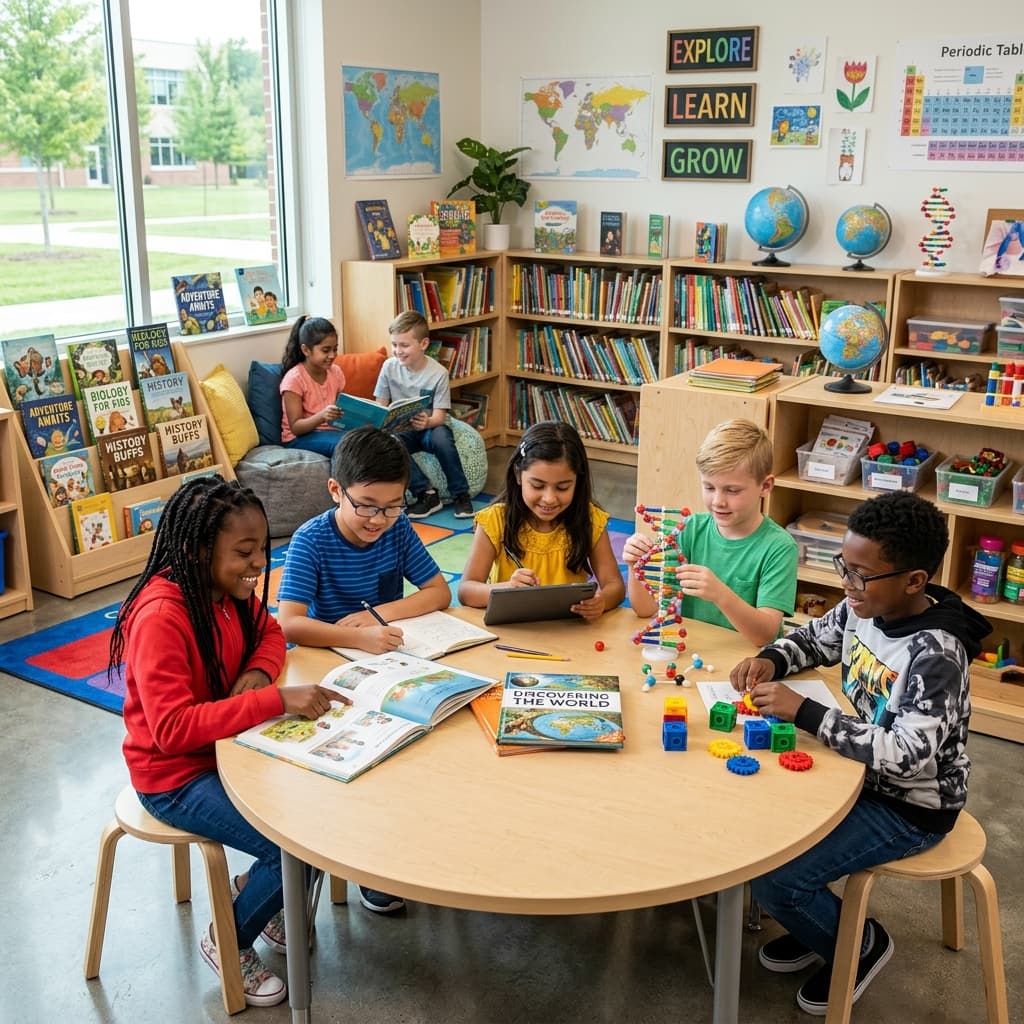
Education is one of the most important parts of a child’s life. It helps children learn new things, develop confidence, understand the world around them, and prepare for their future. Good education is not only about getting good marks; it is also about developing good habits, communication skills, creativity, discipline, and problem-solving abilities.
Why Is Education Important for Children?
Education gives children the knowledge and skills they need to face everyday challenges. From learning basic reading and writing to understanding mathematics, science, technology, and social values, every part of education contributes to a child's development.
A good learning environment helps children become curious and encourages them to ask questions. When children enjoy learning, they are more likely to develop a positive attitude toward education.
Education Builds Confidence
Children become more confident when they understand new concepts and successfully complete learning activities. Reading a story, solving a mathematics problem, completing a project, or answering a question in class can give children a sense of achievement.
Parents and teachers can support this confidence by appreciating children's efforts instead of focusing only on their mistakes.
Education Develops Good Habits
School education can help children develop important habits such as:
- Reading regularly
- Completing homework on time
- Keeping school materials organized
- Listening carefully
- Respecting teachers and classmates
- Managing time
- Working independently
- Asking questions when something is difficult
These habits can benefit children throughout their education and later in their professional lives.
The Role of Parents in Education
Parents play an important role in a child's learning journey. They can create a comfortable study environment at home, encourage regular reading, help children with difficult subjects, and communicate with teachers about their progress.
Parents do not need to know every answer. Sometimes, simply encouraging a child to keep trying can make a big difference.
Learning Beyond the Classroom
Education does not happen only inside a classroom. Children can learn from books, educational activities, experiments, conversations, nature, museums, technology, and everyday experiences.
For example, cooking can teach children about measurements, a visit to a park can encourage them to learn about plants and animals, and reading a story can improve vocabulary and imagination.
Technology and Modern Education
Technology has become an important part of modern learning. Educational websites, digital resources, videos, interactive activities, and online learning tools can make difficult topics easier to understand.
However, children should use technology responsibly. Parents and teachers should encourage educational use of digital devices while maintaining a healthy balance between screen time, study, play, exercise, and rest.
Every Child Learns Differently
Every child has different interests, abilities, and learning styles. Some children learn quickly through reading, while others understand concepts better through pictures, activities, examples, or practical work.
Instead of comparing children with one another, parents and teachers should help each child improve at their own pace.
Conclusion
Education gives children the foundation they need for a successful and responsible future. It develops knowledge, confidence, creativity, discipline, and important life skills.
At Apna Home School, our goal is to encourage children to enjoy learning and help parents support their children's educational journey. With the right guidance, encouragement, and learning environment, every child can continue to grow and achieve their potential.
"Learning today builds a better tomorrow."