Campus · 3 min read
Twenty Minutes a Day: What Our School Library Does for Children
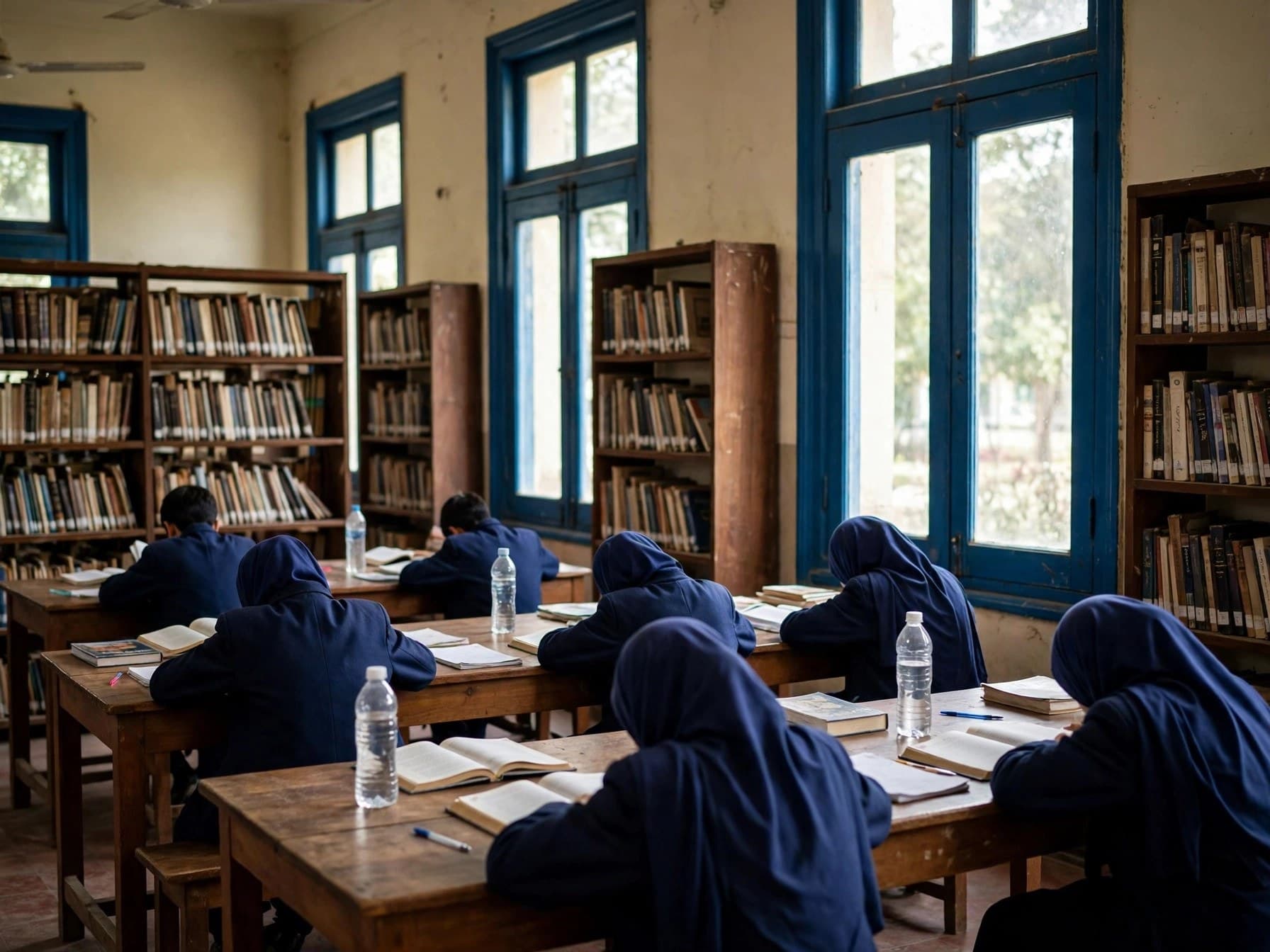
Every school says reading matters. Fewer schools protect the time for it. In our school library, reading is not what happens after the real work is finished — it is part of the timetable, with a period of its own and twenty quiet minutes that teachers guard like a lesson. That small decision shapes more of a child's education than most people expect. A child who reads daily meets more words in a month than some textbooks contain in a year, and words are the raw material of every other subject, from science to Pakistan Studies.
Twenty Minutes a Day
Twenty minutes sounds modest, and that is exactly why it works. It is short enough that no child dreads it, and regular enough to become a habit rather than an event. Multiply it across a school year and each child has read for more than fifty hours — roughly a hundred slim books, or thirty fat ones, finished cover to cover.
The rule inside those twenty minutes is simple: the book is the child's own choice. A teacher may guide, suggest and occasionally rescue a reader from a book that is far too hard, but the choosing belongs to the child. Ownership is what turns reading from homework into a habit that survives the holidays.
What Happens in Our School Library Every Week
Every class has a weekly library period. Younger children are read to first — a story on the carpet, with the pictures shown slowly — and then browse the low shelves themselves. Primary classes learn the simple manners of a library: how to choose, how to carry a book with two hands, how to return it where it belongs.
Older students use the period differently: reference books for projects, past papers to browse, and quiet corners for reading ahead of the class novel. The librarian keeps a simple record of who is reading what, which turns out to be gold. A teacher who knows a child loves animal stories knows exactly which book will rescue a reluctant reader.
Choosing Books Without Fear
We stock for hunger, not for show. Adventure stories and animal books sit near joke collections and sports annuals; Urdu and English titles share the shelves, because a child in Shujabad or Multan lives in both languages and should read in both. A child reading a 'simple' book with joy is learning more than a child struggling through a 'worthy' one with tears.
Parents ask how to help at home, and our answer surprises them: do not correct every word. Let the story run. Ask what happened in the chapter, not what every line meant. Ten relaxed minutes with a parent listening does more for a young reader than an hour of drilling.
What Changes After a Term of Reading
The changes arrive quietly. Handwriting improves a little because spellings have been seen a hundred times. Essays grow longer because the child has sentences in their head to borrow from. Science answers get clearer, because reading is how children learn to follow an explanation from start to finish.
And then there is the change no test measures. Readers are never quite bored, and never quite alone. A child with a book has somewhere to go during a power cut, a long journey or a wait at the doctor's. We think that is worth twenty minutes of anybody's day.
If you visit us, ask to see the library in a reading period rather than empty — the silence is the best advertisement we have. Our office in Shujabad is open Monday to Saturday, 8 AM to 4 PM, and we welcome families from across Multan too. Call or WhatsApp +92 312 6621457 to arrange a visit, and bring your child. The right book has a way of introducing itself.
Admissions Open in Shujabad & Multan
Fees from Rs. 1,500/month. Scholarships available for deserving students. Visit us Mon–Sat, 8 AM to 4 PM, or call us today.